
Anwar Ibrahim's Coalition Strategy: Keep Madani Alive. But At What Cost?
Despite apparent stability, vulnerabilities persist: coalition compromises risk alienating PH's base, UMNO unrest could escalate (especially post its March 2026 assembly)

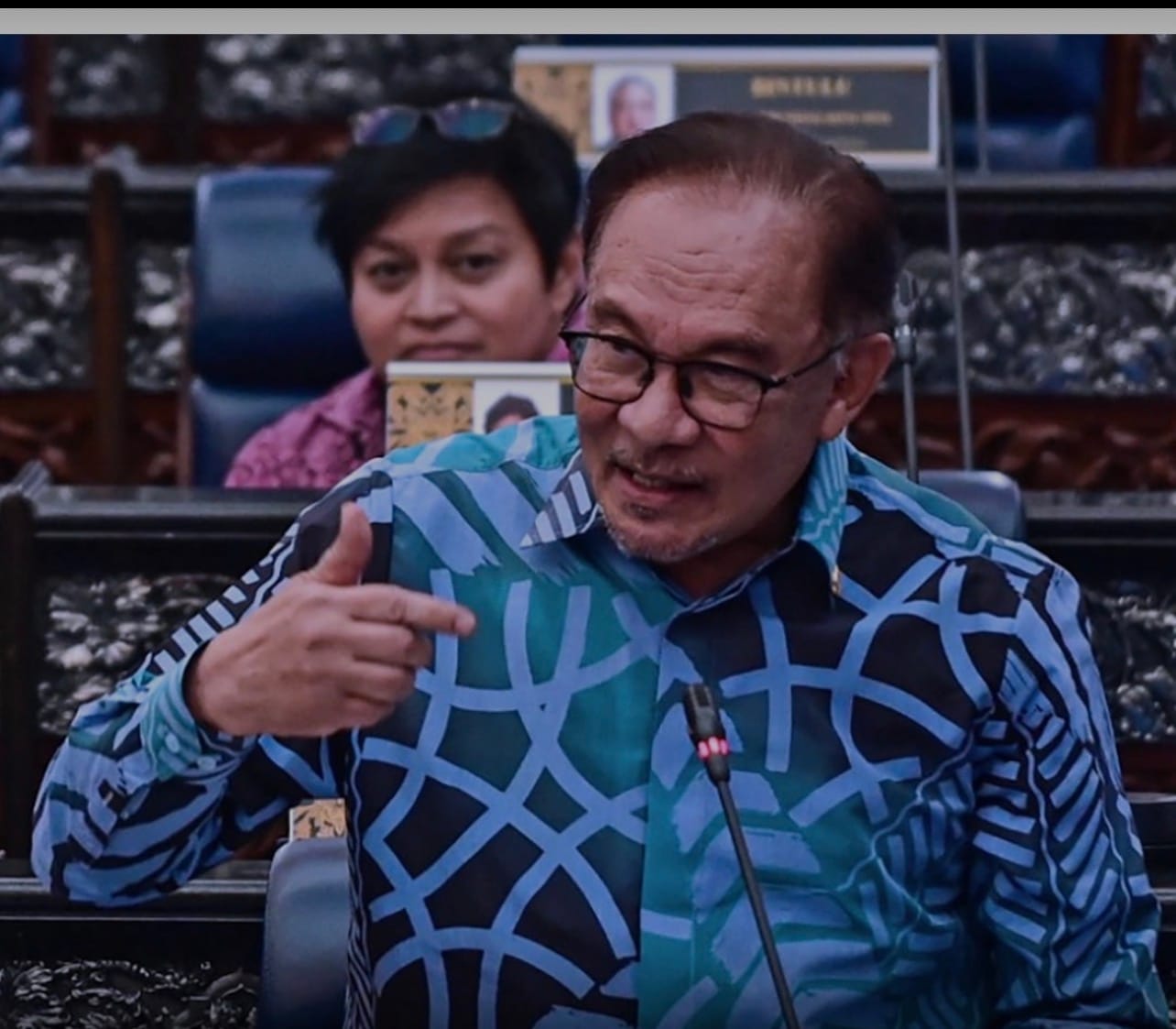
Prime Minister Anwar Ibrahim's unity government — formed in November 2022 after the hung parliament following GE15 — continues to hold a solid parliamentary majority (around 153 out of 222 seats), encompassing his core Pakatan Harapan (PH) coalition, Barisan Nasional (BN) led by UMNO, and key East Malaysian partners like Gabungan Parti Sarawak (GPS) and Gabungan Rakyat Sabah (GRS), along with others such as WARISAN.
Anwar's overarching strategy remains pragmatic coalition maintenance over rapid, potentially divisive reforms. This approach has ensured short-term stability, allowing the government to survive internal tensions and external pressures, including recent opposition chaos in Perikatan Nasional (PN). Analysts describe it as prioritizing "survival" through broad alliances, even if it dilutes PH's original reformasi agenda (e.g., anti-corruption drives, institutional changes).
Key Elements of Anwar's Current Strategy
- Downplaying Internal Coalition Frictions
Anwar has repeatedly emphasized that the unity government is "intact and stable," focusing on economic growth, people's welfare, and harmony in diversity. He has dismissed speculation about reviving Muafakat Nasional (the old UMNO-PAS pact) amid PN's Bersatu-PAS rift as "their problem" — not the government's concern. This hands-off stance avoids entanglement in opposition infighting, allowing Anwar to benefit from PN's disarray (e.g., Muhyiddin Yassin's resignation as PN chairman effective January 1, 2026, and leadership vacuums). - Reform Push to Regain Core Support
In his 2026 New Year address (January 5), Anwar announced a series of institutional reforms to address criticisms of slow progress and backsliding:These moves aim to re-energize urban, Chinese, and reformist voters disillusioned after setbacks like poor PH performance in recent Sabah polls. They also signal execution over mere promises, positioning 2026 as a "test year" ahead of state elections (e.g., Melaka by late 2026, Sarawak by 2027) and GE16 (due by February 2028).
Challenges Ahead
Despite apparent stability, vulnerabilities persist: coalition compromises risk alienating PH's base, UMNO unrest could escalate (especially post its March 2026 assembly), and upcoming by-elections (e.g., Sabah's Lamag and Kinabatangan in January 2026) will test cohesion. Analysts note that survival is no longer enough — the real metric is "winnability" for GE16.
In essence, Anwar's strategy is defensive pragmatism: hold the broad tent together, deliver incremental reforms to rebuild credibility, capitalize on opposition turmoil, and buy time for economic gains to carry into the next election. This balancing act defines Malaysia's political landscape as 2026 unfolds.
- A two-term (10-year) limit for the prime minister (a long-promised PH pledge).
- Separating the Attorney-General and Public Prosecutor roles.
- Tabling Ombudsman and Freedom of Information Bills.
- Accelerated anti-corruption efforts, digital government integration, and targeted cost-of-living aid (e.g., RM100 one-off cash handout for Malaysians aged 18+, credited February 9).
Soon we will know where Anwar is heading with his reform agenda and who among the partners in power will feel pressured. The second quarter of this year will reveal more unsettling times or will Anwar succeed in conquering the divisive factions within the ruling coalition to present a united front in the next General Elections?