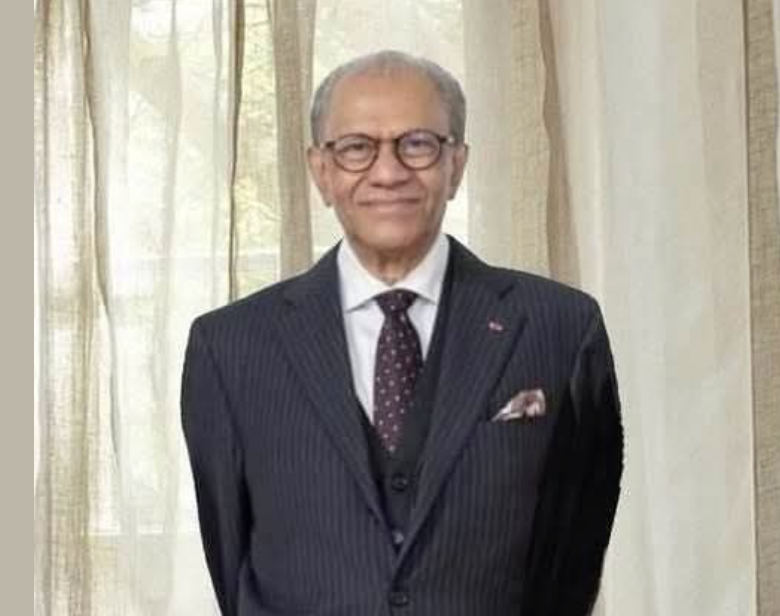
The return of the formidable Berenger as Opposition leader
Berenger has stepped down as deputy prime minister. His move could mark a return to the role of opposition leader, a position that has historically carried weight with the general population.
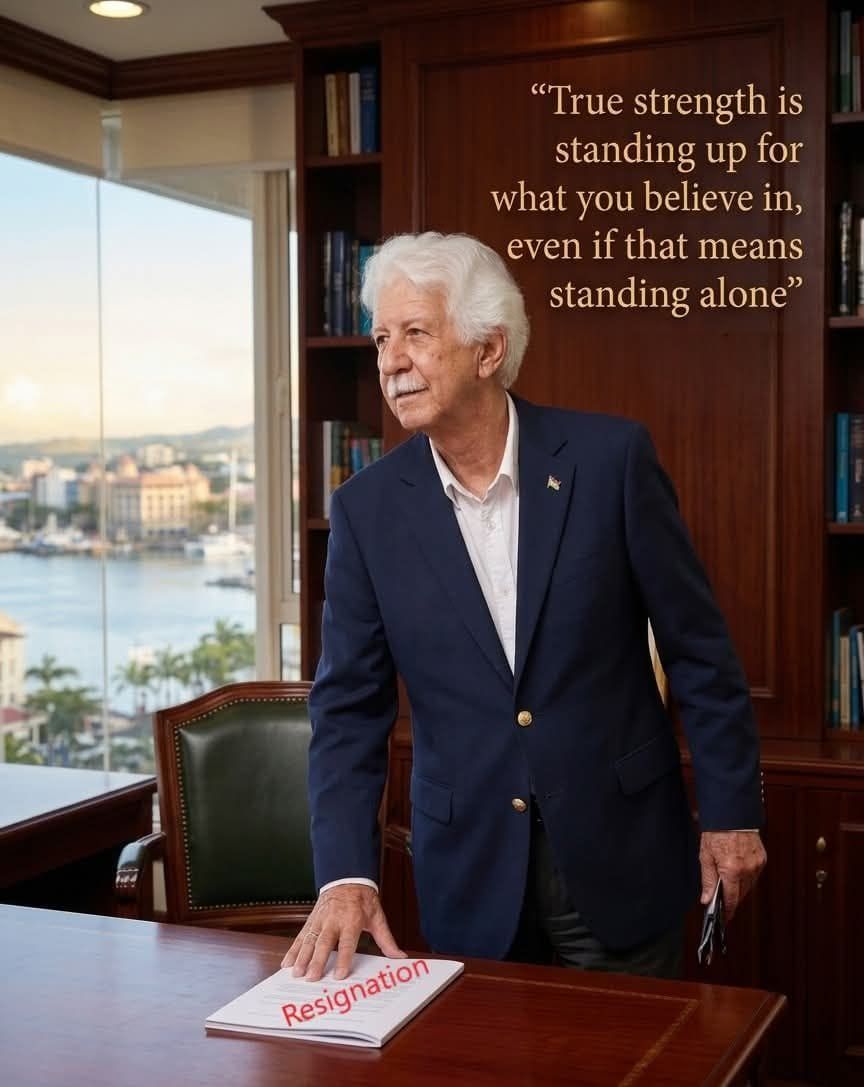
Mauritius has a long tradition of strong figures shaping the opposition. Berenger himself held this role for years, while Gaetan Duval and Guy Ollivry also left their mark on the political stage. The country seems once again poised to have a vibrant and influential opposition leader in Parliament.
Paul Berenger’s long tenure as Opposition Leader in Mauritius is fascinating because he embodies a rare blend of sharp intelligence, magnetic charisma, and the cultivated image of the “angry young man” that resonated deeply with Mauritian society across decades. Let’s break down those elements:
Intelligence
• Berenger’s strength lies in his ability to synthesize complex political and economic issues into clear, accessible arguments.
• He consistently positioned himself as a watchdog of government accountability, especially in the post-independence years (1983–1987), when Mauritius was still shaping its democratic institutions.
• His grasp of both local and international affairs gave him credibility as a leader who could challenge ruling governments with substance, not just rhetoric.
Charisma
• Berenger’s charisma was rooted in his fiery oratory style. He spoke with conviction, often blending intellectual rigor with emotional appeal.
• His ability to connect with working-class Mauritians and articulate their frustrations made him a populist figure, even while maintaining the sophistication of a statesman.
• Unlike many politicians who mellow with age, Bérenger retained a youthful energy in his delivery, which kept audiences engaged across generations.
The “Angry Young Man” Image
• This persona was not accidental—it was a deliberate political identity. In the 1970s and 1980s, he projected himself as the uncompromising fighter against corruption, inequality, and entrenched elites.
• His confrontational style in Parliament and public rallies reinforced the image of someone who would stand up to power without hesitation.
• Even when he later became Prime Minister (2003–2005), the “angry young man” aura lingered, giving him credibility as a leader who had not lost touch with his activist roots.
Contextual Note
His repeated returns as Opposition Leader (seven distinct terms between 1983 and 2016) show that Berenger’s political identity thrived in opposition. He was most effective when challenging authority, embodying the role of Mauritius’s perennial counterbalance to ruling parties.
Now, if he is back as the opposition leader in 2026, he will be an even more formidable to the regime.
The opposition leader role assumed by Sir Aneerood Jugnauth, Arvind Boolell and others does not come close to the immense power wielded by Berenger in this role.
He even surpasses Sir Gaetan Duval who was in his heyday’s, a strong opposition leader in Parliament. But Duval lacked the ability displayed by Berenger.
So did most of the opposition leaders we had in Mauritius, and that includes the current crop.
Again, Berenger will be a formidable opponent, not only to Navin Ramgoolam, but also towards the MMM. leadership.
If the MMM maintains its stance to sacrifice Berenger for the ‘better good’ of the nation-the joke is on the MPs- and they will become the target for Berenger.
Hence, the question remains. Is Berenger leaving the MMM? If he does, then he will surely grab the post of leader of the opposition soon.
Note: Well, this we assume if Paul Berenger gathers enough support among the opposition MPs to return as the legitimate Leader of the Opposition.
 Kazi Mahmood