
Johor Bahru's RTS Link: A Fare-Driven Analysis of Cross-Border Winners
Johor workers (25-45, RM3k-8k income) gain most from RTS fares (~RM5-15 roundtrip). Singaporeans (day-trippers) enjoy leisure perks but less routinely. e-ART revives cancelled IRDA BRT corridors (Skudai-Tebrau-Iskandar Puteri) elevated for RTS feeders. Fares decide adoption.
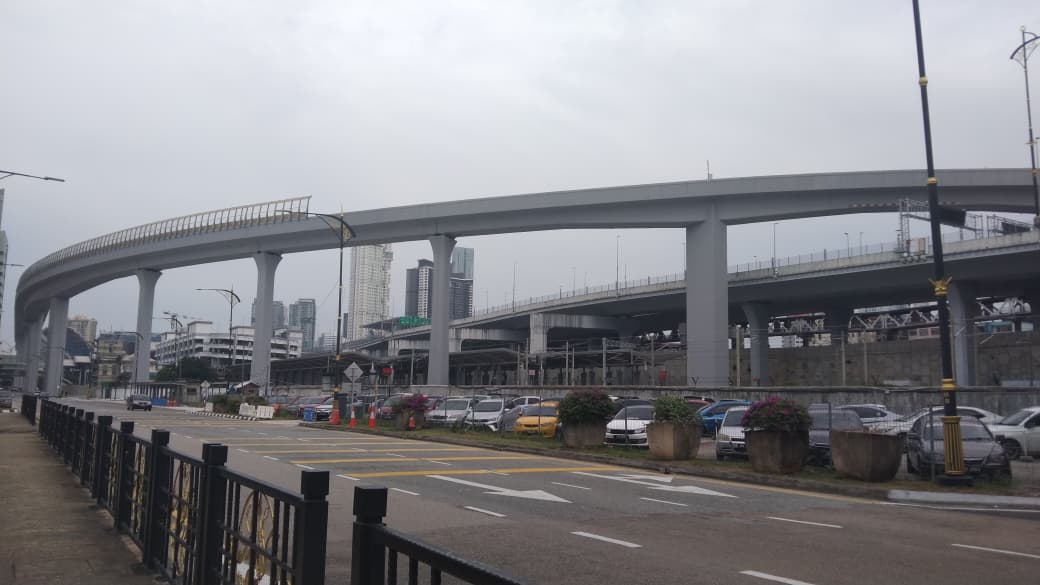
The Johor Bahru-Singapore Rapid Transit System (RTS Link), slated for late-2026 operations, emerges as a litmus test for economic integration amid currency disparities and labor flows. With fares yet to be finalized but pegged as "competitive" (projected SGD 3-5 one-way, dual-currency equivalent per operator hints), affordability crowns Malaysian cross-border commuters as the unequivocal top beneficiaries. These workers, predominantly Johor natives aged 25-45 earning RM 3,000-8,000 monthly, stand to reclaim hours lost to Causeway gridlock, transforming grueling 60-90 minute drives into five-minute seamless rides. Daily volumes could hit 40,000-70,000 peak users, with Malaysians comprising 60-70%, as season passes and off-peak discounts target their repetitive work trips in Singapore's factories, clinics, and eateries where SGD wages double local pay. Fare sensitivity is paramount here: at under RM 15 round-trip (versus RM 50+ taxis or buses), it slashes 20-30% of household transport costs, fueling remittances and JB's property surge near Bukit Chagar station.
Singaporeans, by contrast, register as secondary gainers, lured more by leisure than necessity. Affluent day-trippers (household income SGD 8,000+), families, and young urbanites aged 18-55 eye JB's malls like Paradigm and Komtar for 30-50% savings on dining and retail, amplified by the ringgit's depreciation. Yet, for them, RTS is a convenience upgrade, not a lifeline to bypassing jams but competing with domestic MRT efficiency. Surveys suggest only 30-40% ridership from this cohort, skewed toward weekends, as higher opportunity costs (SGD fares bite harder) deter routine use. Businesses in Woodlands benefit indirectly via reduced regional congestion, but individual Singaporeans prioritize novelty over economics; think medical check-ups or Legoland jaunts, not daily staples. Reddit threads echo this: locals query if RTS "soaks up" JB's high-rises without reciprocal job pulls, underscoring asymmetric flows favoring Malaysia's labor export machine.
This demographic tilt underscores RTS's role in Johor's Special Economic Zone ambitions, channeling 10,000 passengers per hour per direction into a hub poised for 2.25 million residents by 2035. Malaysians win on volume and velocity, faster access to SGD 2,000-4,000 salaries sustains JB's revival, from Forest City rebounds to Iskandar Puteri's Educity boom. Singaporeans amplify spillover: their spending juices retail (projected 20% footfall spikes), but fare thresholds cap penetration; exceed SGD 5, and adoption dips below 50% per market studies. Policymakers tout co-located CIQ for frictionless swaps, yet currency hedging in pricing ensures Malaysians aren't priced out is critical, as 300,000 daily crossers shift 35% railward.
Pivoting to JB's intra-city fabric, e-ART's proposed rollout mirrors the shelved IRDA BRT blueprint along identical corridors: Skudai (north to universities), Tebrau (northeast suburbs), and Iskandar Puteri (west to Senai Airport). IRDA's 51km IMBRT Phase 1, piloted in 2021 but axed in 2024 over traffic snarls and capacity caps (under 5,000 pphpd), envisioned ground-level buses at RM 2-3/km fares. e-ART elevates this vision, autonomous, rubber-tyred pods on lighter viaducts, hitting 5,000-12,000 pphpd at RM 1-3/trip, with Bukit Chagar interchange under 300m. Fare parity preserves BRT's equity appeal for students and families, but elevation dodges the congestion that doomed its predecessor, syncing perfectly as RTS feeders by 2029.
In sum, fares dictate destiny: Malaysians harvest RTS's core utility, embedding JB as a commuter powerhouse, while Singaporeans savor peripheral perks. This duality powers bilateral growth, but equity hinges on sub-RM 15 thresholds, lest affordability erode the very demographics driving 90% public transit penetration goals. Johor's infrastructure pivot from BRT to e-ART reinforces this, betting elevated efficiency over asphalt pitfalls for sustained SEZ momentum.