
Malaysia’s E-Wallet BNPL Boom: Financial Inclusion or Digital Debt Trap?
Malaysia’s e-wallet BNPL boom is fueling financial inclusion but also raising delinquency risks. With youth and gig workers driving adoption, embedded credit features risk amplifying household debt into a digital debt trap.
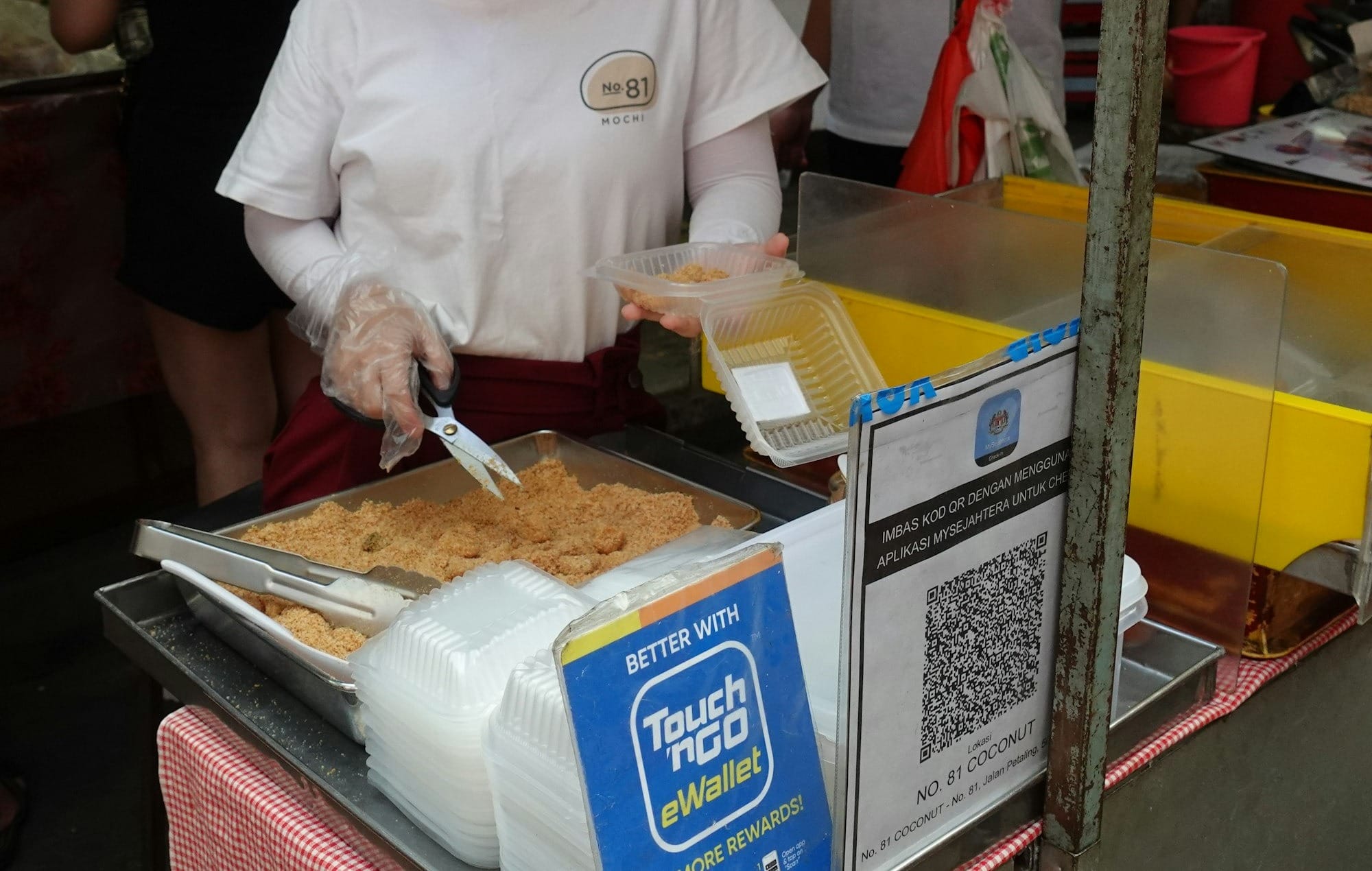
Malaysia’s household debt remains among the highest in Asia, at over 80% of GDP. While regulators stress that loan quality is sound, the rapid expansion of BNPL (Buy Now, Pay Later) services embedded in e-wallets is reshaping the debt landscape. What began as a push for financial inclusion is now raising concerns about whether convenience is quietly morphing into a new credit risk.
From Wallets to Credit Engines
E-wallets such as ShopeePay, GrabPay, Boost, BigPay, and Touch ‘n Go have evolved beyond simple payment tools. By embedding BNPL features directly into their platforms, they have transformed into credit engines, offering instalment plans for everything from online shopping to food delivery. This frictionless access lowers barriers to borrowing, especially for younger Malaysians, but also increases the risk of over-indebtedness.
Youth and Gig Workers at the Core
BNPL adoption is concentrated among Malaysians under 30, who account for roughly 40% of transactions nationwide. Many are gig workers or lower-income earners, drawn to BNPL as a liquidity tool in the absence of stable wages or access to bank loans. Yet delinquency rates are higher i.e. BNPL loans show overdue balances of 3.5%, compared to 1.1% for credit cards.
This demographic concentration means BNPL is disproportionately risky. By embedding credit into everyday spending, e-wallets normalize borrowing for consumption, encouraging users to stack multiple BNPL accounts across different providers. Repayment obligations can quickly outpace income, creating what analysts describe as a digital debt trap.
Amplifying Household Debt Stress
Malaysia’s household debt stood at RM1.65 trillion in 2025. BNPL’s share is small, just 0.3% of household debt, but its impact is disproportionately large because of its user base. For young Malaysians already squeezed by stagnant wages and rising living costs, even small-ticket debts can snowball into financial distress.
The ubiquity of e-wallets ensures that BNPL adoption is widespread. With millions of registered users across platforms, the embedding of credit services into daily financial habits risks amplifying household debt stress, even if the absolute numbers remain modest.
Regulatory Response
The government has recognized these risks. The Consumer Credit Act (2025) brings BNPL providers and e-wallet operators under the supervision of the Consumer Credit Oversight Board (CCOB). Providers must now comply with stricter disclosure rules, responsible lending standards, and fair debt collection practices. The aim is to ensure that financial inclusion does not come at the cost of over-indebtedness.
Conclusion
Malaysia’s e-wallet ecosystem illustrates the double-edged nature of digital finance. BNPL services democratize access to credit, but they also risk embedding borrowing into everyday consumption, disproportionately affecting youth and gig workers. While the overall debt share remains small, the higher delinquency rates and demographic concentration suggest that BNPL embedded in e-wallets may directly amplify Malaysia’s household debt problem.
The success of Malaysia’s digital finance revolution will ultimately be judged not just by adoption rates, but by whether it empowers consumers or entraps them in cycles of debt.