
PN’s Fragile Future: Instability That Outlives Elections
The process of decay has been installed in PN though PAS does not seem to be aware of it. And this process will continue to decimate the opposition's credibility as long as the Islamic party hesitates to take tbe bull by the horns.

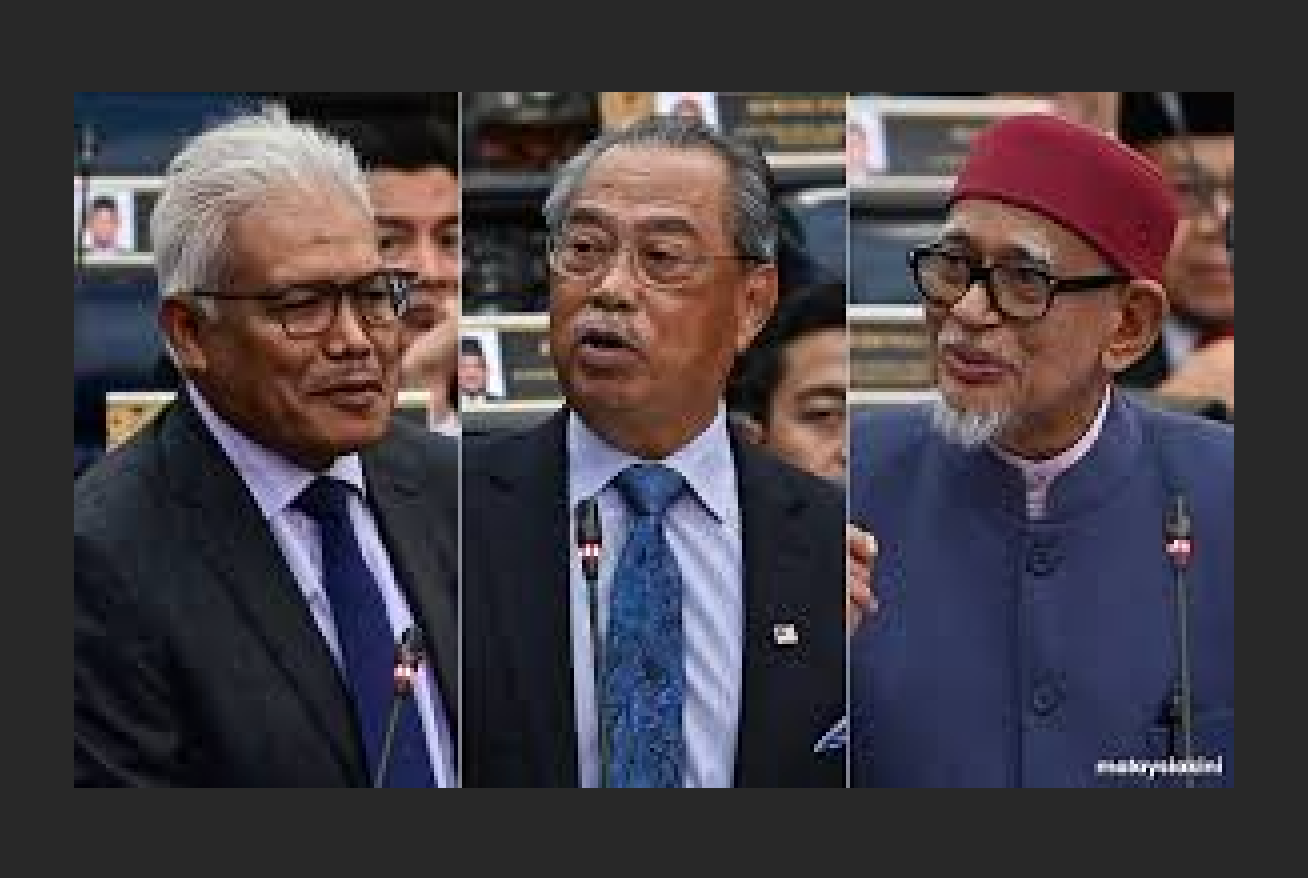
Perikatan Nasional (PN) is caught in a storm of uncertainty, with its internal fractures widening just as the opposition coalition prepares for a crucial general election. The current state of instability in PN will not go away as long as PAS do not take the leadership of the opposition grouping.
PAS, the largest opposition force, should insist it should rightfully steer PN. Yet the party is locked in a struggle to elevate one of its own as coalition chair, while Muhyiddin Yassin counters that PN no longer needs a chairperson at all. The clash leaves PAS fighting for authority in a coalition adrift, exposing PN’s leadership vacuum at the very moment it needs clarity and strength.
The process of decay has been installed in PN though PAS does not seem to be aware of it. And this process will continue to decimate the opposition's credibility as long as the Islamic party hesitates to take tbe bull by the horns.
The resignation of Muhyiddin Yassin as PN chairman has left a vacuum that PAS insists must be filled by a fresh Bersatu leader or by a PAS leader. Yet, Muhyiddin’s lingering influence and his attempts to retain control over Bersatu and PN continue to destabilize the coalition, undermining PAS’s claim to leadership of the opposition bloc.
At the heart of the crisis is PAS’s struggle to convince Bersatu that the coalition’s survival depends on new leadership. Muhyiddin’s refusal to step aside fully has created a rebellion within Bersatu, leaving PAS unable to consolidate authority.
This tug‑of‑war has eroded public confidence in PN, with voters increasingly skeptical of a coalition that appears more focused on internal power struggles than on presenting a credible alternative to the government.
The instability is not merely a pre‑election headache. Even if PN were to secure significant gains at the ballot box, the coalition’s future would remain precarious.
Muhyiddin, emboldened by any future electoral success, could reassert his claim to leadership, reigniting the same disputes that is crippling PN today. Such a scenario would prolong the uncertainty, leaving PAS trapped between asserting its dominance and fending off Muhyiddin’s ambitions. It will lead the country into another political abyss.
For voters, the message is clear: PN’s instability is structural, not situational. The coalition’s inability to resolve its leadership crisis signals that any victory at the polls would be hollow, burdened by the same unresolved tensions.
Unless PAS decisively manages Bersatu’s rebellion and curtails Muhyiddin’s influence, PN risks not only losing votes and seats but also condemning itself to a cycle of instability that extends far beyond the next general election.
 Editorial