
Singapore's New 5-Minute Rail Link to Johor Is a Commuting Game Changer
The Johor-Singapore RTS Link will cut peak border travel from 2 hours to 5 minutes by 2027, reshaping the regional economy. It promises major congestion relief but threatens over RM250M in annual revenue for Johor’s cross-border bus operators as commuters switch to rail.
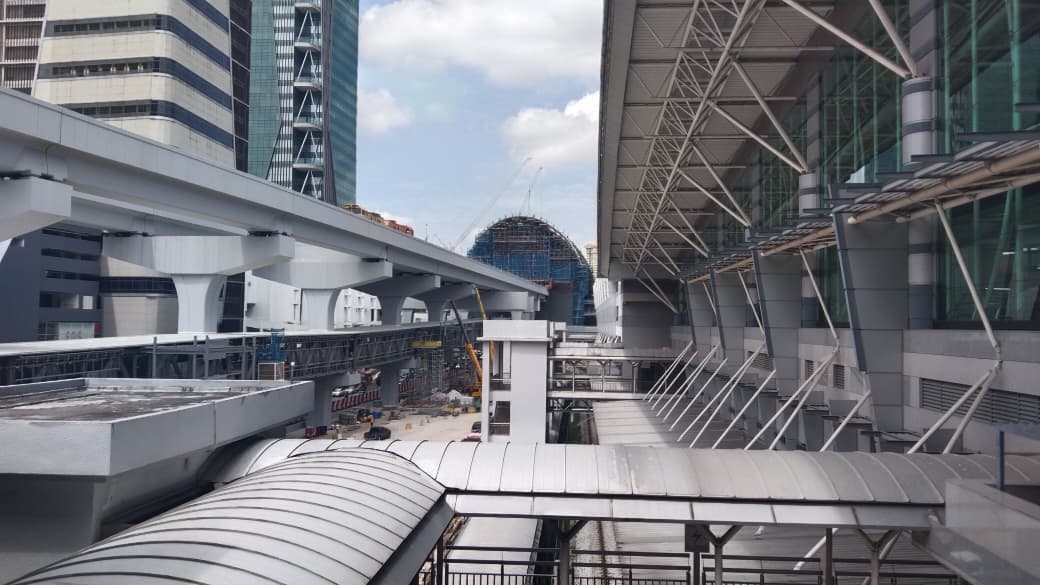
The RM10 billion Rapid Transit System (RTS) Link between Johor Bahru and Singapore isn't just another infrastructure project but truly it’s a tectonic shift for one of the world’s busiest border crossings. Slated to begin operations by end-2026, this 4-kilometer rail bridge will collapse the notorious 90–120 minute peak-hour commute into a predictable 5-minute journey, effectively transforming Johor Bahru into Singapore’s most accessible "extended suburb."
The immediate game-changer is time. For the hundreds of thousands who cross daily, the RTS’s integrated Customs, Immigration, and Quarantine (CIQ) facility and capacity for 10,000 passengers per hour in each direction will eliminate the greatest barrier to integration: the congested Causeway. This reliability unlocks profound economic shifts. Johorians gain swift, affordable access to Singapore’s higher-paying job market, while Singaporeans can practically consider Johor’s lower cost of living. Analysts already anticipate property booms around stations like Bukit Chagar and significant job growth within the Johor-Singapore Special Economic Zone (JS-SEZ).
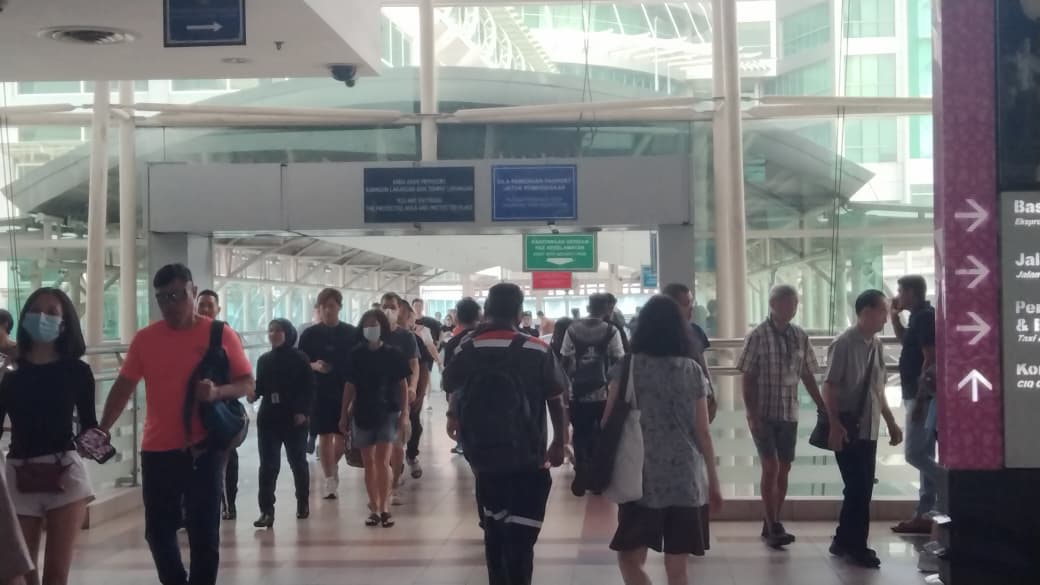
However, every revolution creates winners and challenges. The most immediate disruption will be felt by Johor’s cross-border bus industry, which currently moves over 60,000 daily commuters. Operators like dominant player HI Mobility (Causeway Link), which derives roughly half its revenue from Singapore routes, face a direct threat. Projections suggest the RTS could capture 20–40% of current bus riders upon launch, potentially translating to sector-wide revenue losses of RM100–250 million annually.
The critical question for commuters is how much the 5-minute ride will cost, will be answered shortly. According to a source close to the matter, the Chief Minister will unveil the RTS fare structure within this month. Industry analysts expect a competitive pricing model, likely positioned between current bus fares and the premium for time saved, to aggressively drive adoption from day one. This announcement will allow bus operators to finalize their own counter-strategies and give hundreds of thousands of daily crossers a concrete figure for their future budgets.
HI Mobility, with 155 buses dedicated to the Singapore route, exemplifies the tension. While the company may benefit from reduced congestion costs on its remaining services, a 12–30% hit to its key Singapore revenue stream is a near-term risk. The survival strategy for bus operators lies in adaptation: pivoting to become essential feeder services for the RTS stations and strengthening intra-Johor networks.
The RTS represents a calculated trade-off: efficiency and scale over legacy systems. While bus fares may remain marginally cheaper, the rail link’s speed, predictability, and capacity are poised to redefine "convenience" for the mass commuter. The long-term vision is a seamlessly integrated regional economy. The short-term reality is a race for relevance, as the promise of a 5-minute crossing reshapes everything from daily routines to corporate bottom lines.
 Editorial