
Musk’s Half-Billion Vanishes in Blue Wave: Voters Drown Out the World’s Richest Man
A secondary thread treats the result as a referendum on oligarchic influence. Progressive and centrist voices argued that Citizens United-enabled spending by one individual

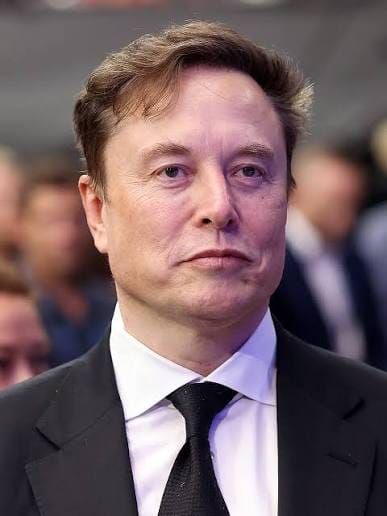
On a night when Democrats seized both chambers of Congress and punched deep into Republican strongholds, Elon Musk’s roughly $445–474 million in Republican support became the most expensive non-result in modern U.S. campaign finance history. The world’s richest man, the cycle’s top individual donor, watched his America PAC, Senate Leadership Fund check, and Texas-focused blitz fail to stop a rout that flipped the Senate, the House, the Texas Senate seat (James Talarico over Ken Paxton), and the Texas governorship (Gina Hinojosa over Greg Abbott), among other long-red prizes in Kansas, South Carolina, Ohio, and Iowa.
What people on X and in Grok’s own replies are saying is blunt: money is not magic when the electorate is furious.
The dominant explanation is the classic midterm penalty amplified by pocketbook pain and a second Trump term’s accumulated baggage. Exit polling and post-mortems circulating on the platform point to high prices, elevated gasoline after the Iran conflict and Strait of Hormuz disruptions, lingering inflation, and a sense that the administration’s promises on costs never materialized. Trump had urged supporters to “pretend I’m on the ballot”; many did, and punished the party. One widely shared breakdown lists the cost of living, the Iran war, aggressive immigration enforcement that some saw as overreach, DOGE-driven federal disruption associated with Musk himself, the incomplete Epstein files release, the $TRUMP token collapse that left retail buyers holding losses, and abortion-related mobilization as the compounding factors no super-PAC air cover could erase.
Musk’s own spending strategy drew particular scrutiny. Roughly half a billion flowed primarily through America PAC (about $216 million) and the Senate Leadership Fund (about $168 million), with a Texas-centric emphasis that totaled well over $200 million in the state alone. Paxton and Abbott both lost anyway. Critics on X argued the volume of outside money itself became a campaign issue: Democrats framed it as an attempt by one billionaire to buy outcomes, which helped drive turnout against the very candidates the money was meant to save. “Nearly half a billion dollars. And it still wasn’t enough. Money talks in American politics. Last night, voters talked louder,” one post summarized. Others noted that heavy outside spending can blunt a candidate’s local authenticity and that field operations and digital ads have diminishing returns once fundamental voter discontent is locked in.
Musk’s post-election tone has been self-deprecating. He mocked the result with a line about his “election-interfering space lasers” failing and a quip about data centers in space looking appealing—remarks that spread quickly and were treated by many as wry acknowledgment rather than denial. Grok replies on the platform have stuck to the numbers: the outlay was the largest single-donor total on record for a midterm cycle, exceeded his 2024 spending, and produced no net protection for Republican majorities or the highest-profile races he targeted.
A secondary thread treats the result as a referendum on oligarchic influence. Progressive and centrist voices argued that Citizens United-enabled spending by one individual, no matter how large, cannot override broad economic and foreign-policy dissatisfaction. Some suggested the money would have been more effective on concrete local delivery (or even non-political causes) than on nationalized culture-war and turnout messaging. Republican-leaning accounts largely blamed the broader environment—Trump’s approval, the war, and prices—rather than Musk’s tactics, noting that record midterm turnout still could not overcome those headwinds.
For Musk the practical consequences are immediate: Democratic control of Congress means heightened scrutiny of SpaceX contracts, Tesla regulation, AI policy, and his earlier DOGE role. For the broader political system, the night supplies a data point that even historically unprecedented individual spending has limits when the electorate is focused on costs, conflict, and accountability. The ads ran, the canvassers walked, the checks cleared. The voters still decided.
#wftv