Democracy: The need for change
Democracy faces severe strain globally as politician corruption, weakened oversight, and broken campaign promises erode public trust and institutional integrity.

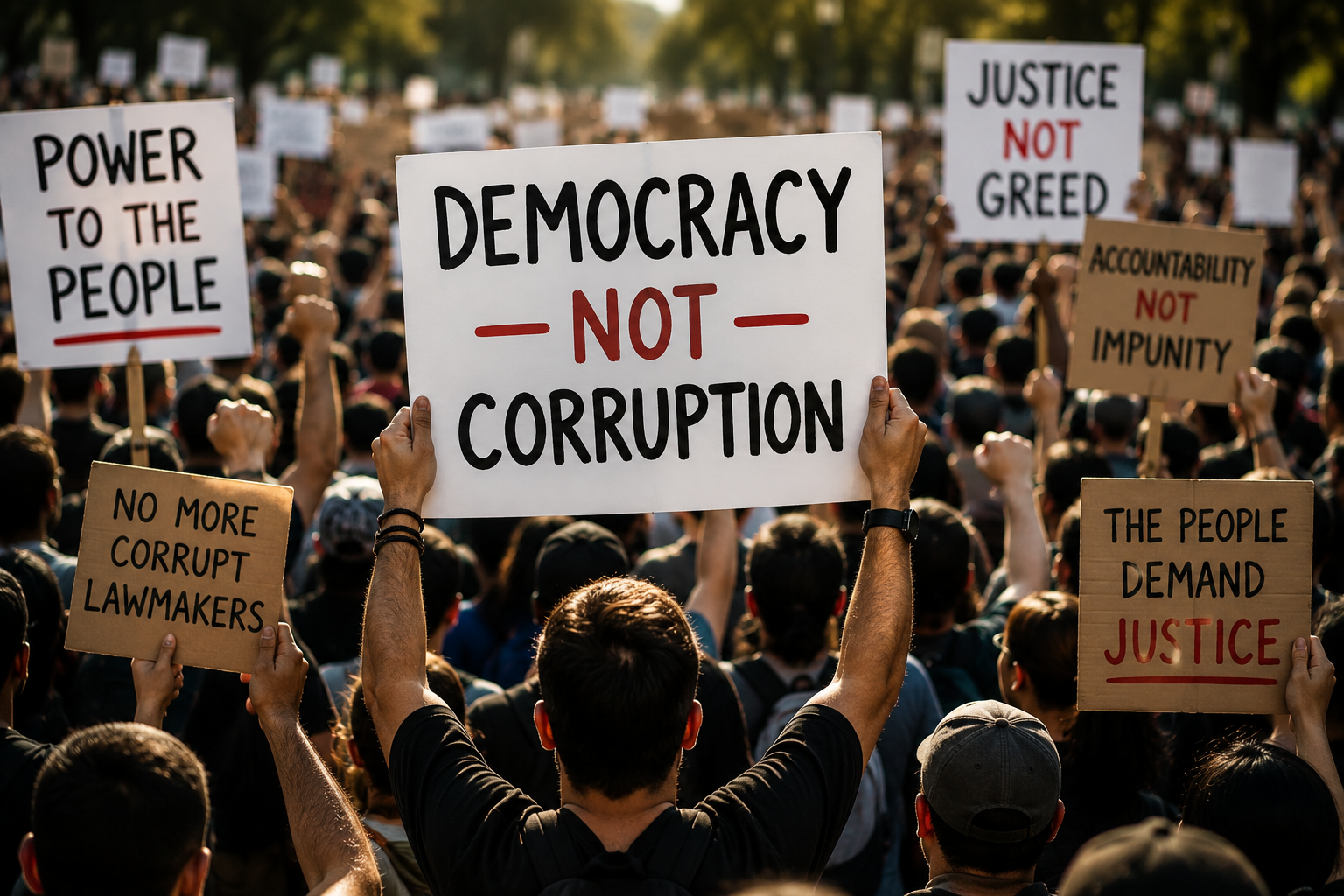
Across the globe, the foundational promises of democracy—transparency, accountability, and representation—are facing a profound strain as public trust erodes under the weight of broken campaign promises and institutional self-interest.
The European Front: Stripping Safeguards
In Europe, the erosion of democratic integrity is often subtle, taking place behind legislative curtains. A stark case emerged in Slovakia, where the government actively moved to undermine anti-corruption infrastructure. After dissolving key investigative bodies like the Special Prosecutor's Office, lawmakers pushed legislation to replace the independent Whistleblower Protection Office with a government-controlled agency. This move threatened to retroactively strip protection from roughly 100 individuals who had exposed high-level government malfeasance. While the Constitutional Court suspended the measure and international pressure forced a promised repeal, the attempt underscored a troubling trend across EU member states: politicians using their elected mandates to weaken oversight rather than honor promises of good governance.
Southeast Asia: Profiting off Public Infrastructure
In Southeast Asia, the consequences of corrupt practices fall directly on vulnerable populations. A major scandal unfolded involving former Philippine lawmaker Zaldy Co, who was apprehended in Prague following allegations of siphoning vast kickbacks from state flood-control projects. While politicians campaign on promises of infrastructure development and disaster relief, funds intended to safeguard cities against natural disasters were allegedly funneled into private pockets. This betrayal of public trust highlights how official power can be weaponized for personal enrichment, leaving citizens to face severe environmental risks unsupported.
The Americas: Corporate Money vs. Constituent Needs
In the United States, the crisis manifests through the influence of special interest capital on policy decisions. According to accountability reports by watchdog groups like End Citizens United, representative officials face growing scrutiny for favoring major corporate donors over campaign pledges to help working families. For example, Arizona Representative Juan Ciscomani accepted over $900,000 in corporate PAC contributions—with more than half from real estate interests—while voting to eliminate regulatory guardrails for development and grant tax incentives to private investors. When elected officials prioritize corporate backers over the economic needs of their constituents, the democratic covenant between voters and their leaders is compromised.
Renewing the Democratic Covenant
These global examples reveal a common thread: democracy degrades when politicians view public office as a instrument for personal gain or donor preference rather than a civic trust. Rebuilding faith in democratic systems requires stronger anti-corruption frameworks, strict enforcement against financial impropriety, and institutional reforms that hold leaders accountable when campaign promises are abandoned.
 Kazi Mahmood